Key Takeaways
- Check the trunk, branches, roots, leaves, and signs of pests or disease before choosing a tree.
- Match the tree’s sunlight and soil needs to the conditions already present in your yard.
- Consider mature height and canopy spread rather than judging a tree only by its current size.
- Ask about seasonal timing, growth habits, and what to expect as the tree matures.
- Think about long-term maintenance, including pruning, watering, seasonal cleanup, and changing appearance.
Buying a tree can feel simple until you start comparing size, sunlight, soil, and how much room each option will need years from now. A tree that looks perfect on display may eventually crowd the space, struggle with the conditions at home, or simply turn out to be a poor fit for the yard.
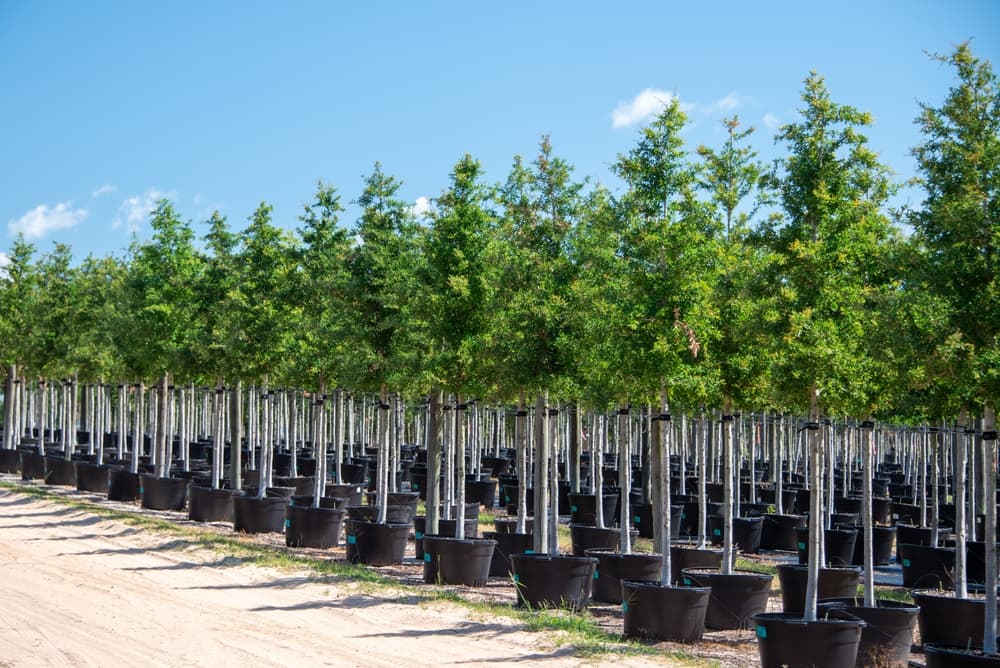
That is why it helps to compare more than appearance before making a decision. Visiting a local plant nursery in Decatur gives you a chance to look at mature size, growing conditions, and overall health so you can compare trees that make sense for Central Illinois yards instead of choosing on looks alone.
What should you look for when choosing a tree at a nursery?
Start by checking whether the tree looks healthy and structurally sound, then think about whether its future size fits the space you have available. A few details are especially useful to check before buying:
- Trunk condition: Look for major wounds, split bark, or obvious damage that could affect the tree as it grows.
- Branch structure: Broken limbs, widespread dieback, or unusually weak growth deserve a closer look.
- Root condition: Roots should not appear badly damaged, dried out, or severely crowded around the container.
- Mature size: Ask how tall and wide the tree is expected to become rather than judging it by its current dimensions.
- Leaf condition: Look for widespread discoloration, curling, spotting, or premature leaf drop that may point to stress.
- Pest or disease signs: Check for unusual holes, visible insects, fungal growth, or damaged areas on the bark and foliage.
A healthy canopy matters, but it should not be the only thing you notice. The trunk, branches, and root system are also important signs of a healthy tree. Expected mature size also helps determine whether it is a good candidate for the space. Looking at the whole tree gives you a better basis for comparison than choosing whichever specimen looks fullest that day.
How do you choose the right tree for your soil and sunlight?
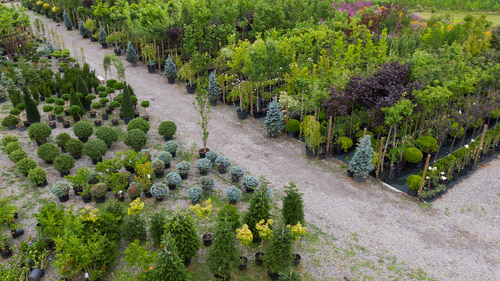
Choose a tree whose growing needs match the conditions already present in your yard. Sun exposure and drainage can quickly narrow the options, while available space helps determine which mature size will work comfortably.
Check how much sun the area receives
Watch the intended spot at different times of day before shopping. An area that receives direct sun for most of the day will support different species than a space shaded by the house or an existing canopy.
Notice what happens after rain
Some yards drain quickly, while others hold moisture for much longer. You do not need a detailed soil test to describe the basic conditions. Knowing whether the area usually stays dry, drains normally, or remains damp gives garden center staff useful information when comparing options.
Think beyond the tree’s current size
A compact tree may eventually spread across a much larger area. Before deciding what fits, look at the features surrounding the intended spot and how they may affect the tree as it grows. Consider:
- Nearby structures: Leave enough room between the tree and the house, garage, shed, or other buildings.
- Walkways and driveways: Think about whether future growth could interfere with frequently used areas.
- Overhead lines: A location that looks open at ground level may become restrictive once the tree gains height.
- Property boundaries: Consider how far branches may eventually extend toward neighboring yards or shared spaces.
This gives you a clearer picture of whether the location will remain practical as the tree develops.
What should you ask before buying a tree?
Ask questions that connect the tree’s needs with the space where it will eventually grow. Staff can give much more useful guidance when they know what the yard is actually like.
Some good questions include:
- How large will this tree become? Ask about mature height and canopy spread so you know how much room to allow.
- What kind of sunlight does it prefer? Describe the intended location rather than guessing whether it counts as full sun or shade.
- How does it handle moisture? Mention whether the area drains quickly or tends to stay damp after rain.
- Is this a good choice for the season? Some species may establish more readily at certain times of year.
- What should I expect as it matures? Growth habit, canopy shape, and seasonal changes can all affect how the tree fits the yard later.
You can also explain what you want from the tree, whether that means more shade, seasonal color, privacy, or a stronger focal point. That gives the staff enough context to narrow the choices instead of simply pointing you toward what is currently available.
What should you know about a tree’s long-term maintenance?
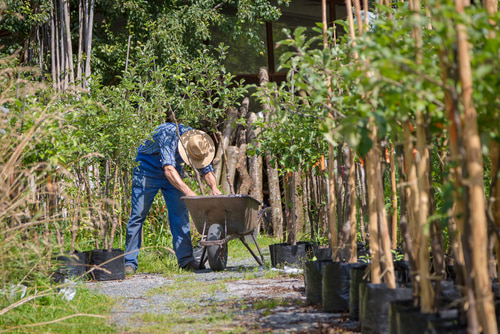
A tree may suit the yard today but still require more upkeep than you expect as it matures. Before buying, think about what regular maintenance will look like over the years and whether that fits the amount of time and attention you want to give it.
Ask about pruning needs
Some trees need more frequent pruning to manage shape, remove weak growth, or keep branches clear of nearby structures. Others require relatively little intervention once they are established. Learn how often pruning is typically needed and whether the tree develops any growth habits that homeowners should plan for as it gets larger.
Consider seasonal cleanup
Leaves are only one part of seasonal cleanup. Depending on the tree, flowers, seeds, fruit, bark, or small branches may also collect beneath the canopy at different times of year.
That may not matter in the middle of an open lawn, but it can make a bigger difference near patios, driveways, walkways, or other frequently used areas.
Think about ongoing watering needs
Watering does not always stop being important once the first season is over. Some trees tolerate dry periods well after establishment, while others may need more attention during stretches of hot or dry weather.
Knowing what to expect ahead of time makes it easier to choose something that fits both the property and the amount of ongoing maintenance you are comfortable with.
Consider how the tree changes through the year
Think beyond what the tree looks like on the day you buy it. Its canopy, foliage, flowers, and overall appearance may change considerably from one season to the next.
Ask what you can expect throughout the year so you are not choosing based only on how the tree looks during one part of the season. That gives you a clearer picture of how it will contribute to the yard long after it is brought home.
Where can you find a reliable local plant nursery in Decatur?
The Village Garden gives homeowners personalized help choosing trees that make sense for their property now and as they mature. Our team brings decades of hands-on landscape design experience to the selection process, along with knowledge of Central Illinois growing conditions. Customers can compare healthy, well-maintained stock while getting guidance on available space, sunlight, soil conditions, expected growth, and seasonal considerations before making a choice.
Whether you live near Millikin University or elsewhere around Decatur, you can visit to compare options in person and talk through which ones fit your yard best. Stop in to discuss your property, see what is available, and get practical guidance before deciding what to bring home.