Key Takeaways

  • Earthy colors and rich textures are shaping fall interiors.
  • Collected, personal pieces give rooms more character.
  • Layered lighting creates a warmer atmosphere for fall.
  • Dark woods and bold patterns add depth and visual interest.
  • Small seasonal updates can refresh a room without a full redesign.

Fall decorating feels a little richer this year. Warm colors are still part of the season, but rooms are also becoming more collected, textured, and personal. Current interior trends are leaning toward lived-in spaces, deeper color, craftsmanship, and details that give a room character.

You do not need to redecorate an entire room to bring that feeling home. A few thoughtful changes to textiles, lighting, tabletop pieces, or wall accents can shift the mood for the season.

If you are browsing a home décor store in Sullivan, IL, these fall trends offer plenty of ways to refresh familiar rooms while keeping your own style at the center.

What fall décor trends are popular this year?

This fall is less about following one prescribed seasonal look. The strongest ideas use color, texture, lighting, and meaningful objects to make rooms feel warmer and more expressive.

1. Deeper, earthier color palettes

Autumn color can go well beyond bright orange. Rich brown, olive, burgundy, clay, ochre, and muted red bring seasonal warmth while still working with everyday interiors.

These shades are easy to introduce through smaller pieces such as:

  • Throw pillows
  • Table linens
  • Decorative bowls
  • Candles
  • Vases
  • Wall accents

Start with the colors already in the room

Look at your upholstery, rugs, wood tones, and wall color before choosing seasonal accents. A rust-colored textile may work beautifully in a warm neutral room, while burgundy or olive can give cooler interiors more depth.

2. The collected-home look

Layered, collected interiors are becoming more popular in 2026. Designers are embracing rooms with personality, mixed materials, meaningful objects, artwork, books, and pieces that feel individually chosen. 

Fall is an easy season to experiment with that idea. Layer a small framed piece beside a favorite candle, bring an interesting vessel to a console, or add a decorative object to a shelf that already holds personal items.

A room often feels more inviting when the details reveal something about the people who live there.

3. Layers of tactile texture

Texture becomes especially noticeable once the weather cools. Velvet, woven fabrics, heavier linens, wood, ceramic, glass, and textured finishes make a room feel warmer without requiring a major color change.

Current interiors are also showing renewed interest in tactile, crafted details and decorative trims.

Try layering a few different surfaces:

  • A woven throw over upholstered seating
  • Textured pillows against smooth fabric
  • Ceramic pieces on a wood table
  • A soft runner beneath serving pieces
  • Decorative accents with carved or handmade details

A small mix is usually enough to create depth.

4. Warm, atmospheric lighting

As daylight starts disappearing earlier, lighting becomes part of the seasonal atmosphere. Table lamps, floor lamps, candles, and decorative fixtures can create softer pools of light around the room.

Statement lighting is also playing a larger decorative role in current interiors, with fixtures acting as visual features as well as practical light sources.

Create more than one source of light

A room feels warmer when all the light does not come from a single overhead fixture. Try combining:

  • A table lamp near seating
  • A lamp on a console or sideboard
  • Candles on a dining or coffee table
  • Accent lighting near artwork or decorative displays

The layers make evenings feel comfortable while giving seasonal pieces more presence.

5. Rich wood & darker finishes

Dark and aged woods are appearing more often as interiors move toward a warmer, lived-in look. Rich wood tones bring depth and pair naturally with the earthier colors showing up this season.

You can introduce that mood through smaller furnishings, frames, trays, candleholders, or sculptural pieces. Darker finishes can add weight to a pale room and work especially well alongside cream, rust, olive, or warm metallic accents.

6. Pattern with personality

Pattern is gaining confidence again. Stripes, florals, checks, and decorative motifs can bring energy to fall rooms, especially through pieces that are easy to rotate seasonally.

For fall, pattern can appear through:

  • Pillows
  • Throws
  • Table linens
  • Artwork
  • Decorative dishes
  • Small upholstered pieces

You can mix more than one pattern when they share a color or similar visual weight.

7. Personal pieces over overly themed décor

Fall decorating is leaning more personal and collected, with fewer obvious seasonal motifs and more emphasis on pieces that already feel at home in the room.

Artwork, books, decorative objects, framed photos, handmade pieces, and meaningful finds can bring warmth without making the space feel overly themed. Seasonal color and texture can still come through in smaller accents.

A simple grouping might include:

  • A favorite framed piece
  • A textured throw or pillow
  • A warm-toned vase or bowl
  • Candles or soft lighting
  • A meaningful decorative object

The room still feels seasonal, but the personality of the home stays at the center.
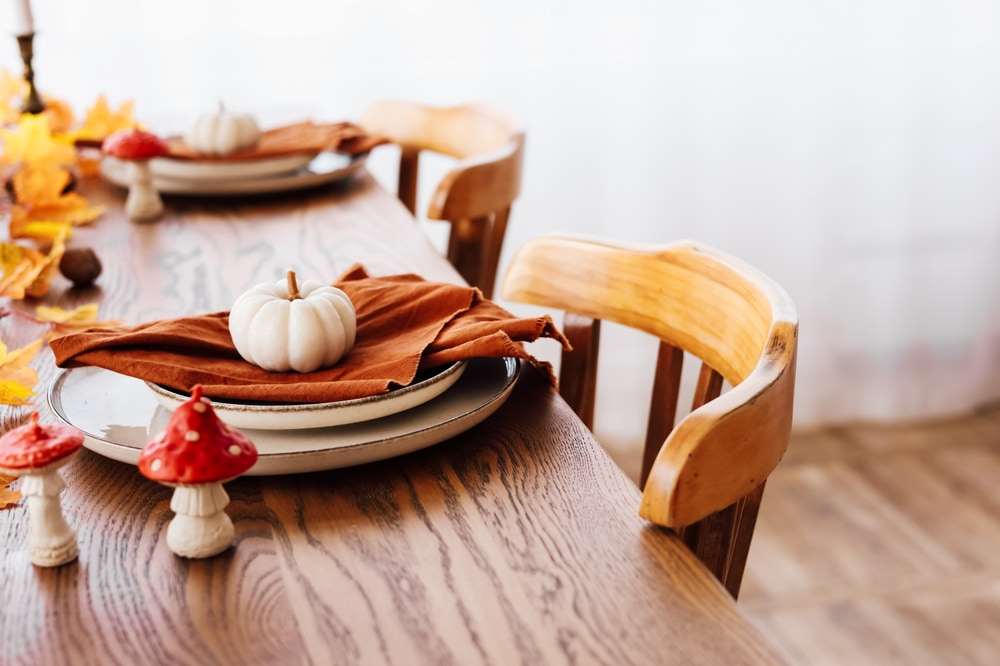
How can you decorate for fall without changing the whole room

How can you decorate for fall without changing the whole room?

The easiest fall updates work with what you already own. Focus on areas that naturally draw attention and add a few pieces that shift their color, texture, or mood.

1. Refresh the entryway

The entry sets the tone before guests reach the rest of the house. A wreath, lamp, small piece of art, decorative bowl, or textured accent can make the area feel ready for the season without filling the console with décor.

2. Give the coffee table a seasonal edit

Coffee tables are ideal for small changes because only a few objects are needed. Keep the arrangement simple with a tray, candle, decorative object, and one item with a seasonal color or texture. Varying the heights keeps the grouping visually interesting.

3. Bring fall to the dining table

Dining rooms naturally become more important as fall gatherings begin.

Build the table in layers

Start with one foundation, such as a runner or tablecloth. Add serving pieces, candles, and a centerpiece that leaves enough open space for the table to remain functional.

Seasonal dishes or decorative accents can bring in color without requiring an elaborate tablescape.

4. Update shelves & consoles

You rarely need to remove everything and start over. Look for one or two places where a different object, frame, vase, or piece of art can change the balance. This is also a good opportunity to bring a favorite stored piece back into the room.

How do you keep fall décor from feeling too themed?

Keep your existing interior style visible and use autumn as another layer within it. Seasonal decorating feels most natural when the pieces relate to colors, materials, and objects already in the room.

1. Choose pieces you would enjoy beyond fall

A textured vase, warm-toned lamp, wood tray, framed art piece, or beautiful serving dish can work long after the season ends. Items with year-round appeal also give you more flexibility when you rearrange the room later.

2. Let color carry some of the season

You do not always need obvious autumn symbols. Deep red, brown, mossy green, warm cream, and muted gold can create a fall atmosphere through color alone. These tones work especially well through textiles and accessories that can move easily from room to room.

3. Keep something personal in the mix

Seasonal styling should still feel like your home. Family photographs, collected objects, favorite books, art, or meaningful gifts give decorative arrangements more personality.

Current design trends are placing greater value on interiors that feel lived-in and individually assembled, which makes fall a good time to work with pieces you already care about.
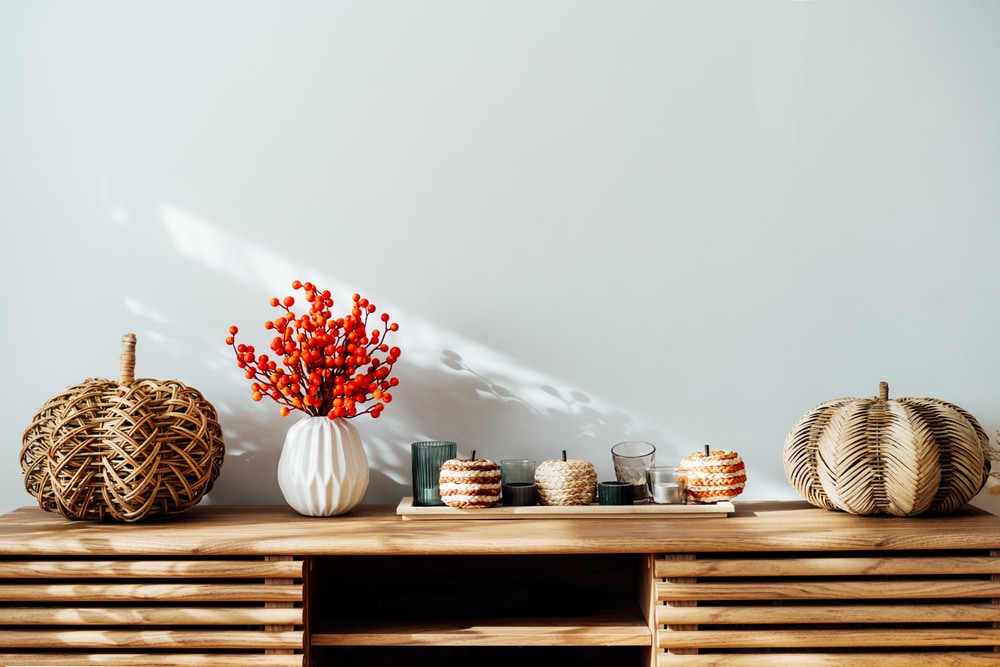
How do you keep fall decor from feeling too themed

Where can I shop for beautiful fall home décor in Sullivan, IL & the area?

The Village Garden offers a curated boutique experience for shoppers looking for seasonal accents and distinctive pieces for everyday rooms. The collection includes wall art, mirrors, furnishings, lighting, accessories, textiles, household goods, gifts, artisanal pieces, and seasonal décor, with new items arriving throughout the year.

If you are refreshing the house before a fall gathering or spending an afternoon around the Moultrie County Courthouse downtown, stop by and see what has arrived for the season. You can browse at your own pace or get help thinking through color, scale, mood, and the details that would work well in your space. 

And if your seasonal refresh extends outdoors, the nursery is stocked with perennial flowers with long-lasting blooms for garden beds and borders. Visit us and discover pieces you will want to keep around well beyond the season!
Key Takeaways

  • Long-blooming perennials keep beds colorful for more of the season.
  • Coneflower, coreopsis, catmint, and salvia offer lasting blooms.
  • Deadheading can encourage some perennials to bloom again.
  • Mixing bloom times helps maintain color from spring through fall.
  • Choose perennials based on light, size, bloom time, and growing needs.

Perennials earn their place in the garden by returning year after year, but some give you much more color than others. A plant that flowers for several weeks or produces another flush later in the season can keep a bed looking lively for much longer.

For gardeners shopping at a plant nursery in Sullivan, IL, bloom length is worth considering alongside color, mature size, light, and growing conditions. Central Illinois brings cold winters, humid summers, and plenty of seasonal change, so choosing plants that suit the region matters.

The right mix can give you dependable color without expecting every perennial to bloom at the same time.

Which perennial flowers bloom for a long time?

Some perennials naturally flower over a long stretch, while others respond well to deadheading or trimming. These are strong options to consider for extended seasonal color.

1. Coneflower

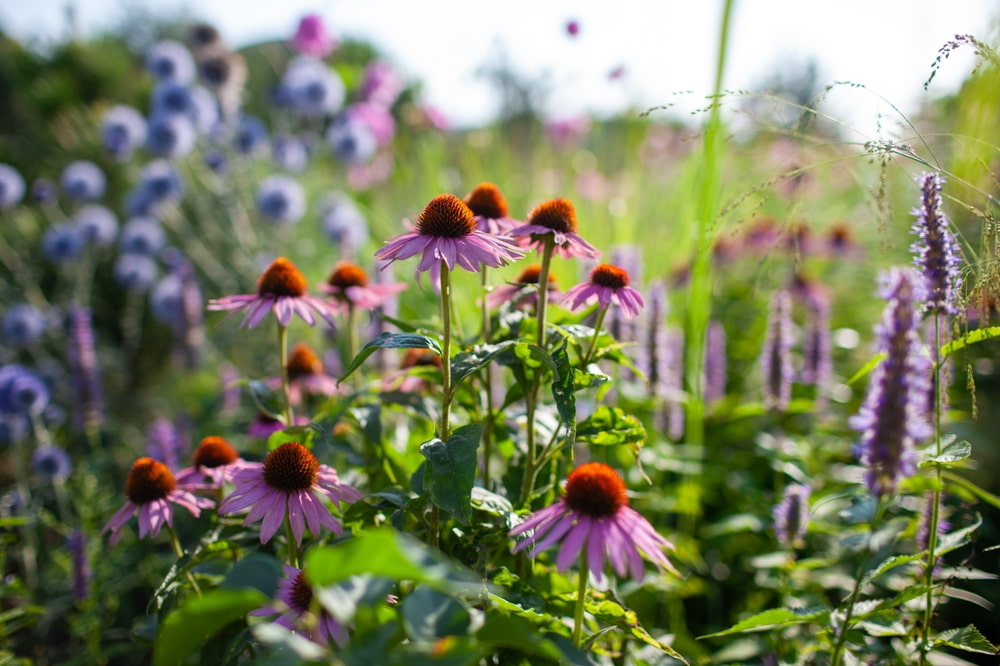
Coneflowers are a familiar perennial for sunny beds. Their upright stems and daisy-like blooms can carry color through a large part of summer.

They are available in more than the classic purple, with varieties in:

  • Pink
  • White
  • Yellow
  • Orange
  • Red-toned shades

Their sturdy shape also works well through the middle or back of a mixed perennial border.

2. Coreopsis

Coreopsis brings a lighter, more relaxed look to a planting. Many varieties produce a generous run of flowers, especially when faded blooms are removed.

Why it works well in mixed beds

Its smaller flowers pair easily with larger blooms and taller plants. Yellow is common, though some varieties introduce red, pink, and multicolored flowers. A light trim after the first heavy flush can also encourage more growth on certain varieties.

3. Catmint

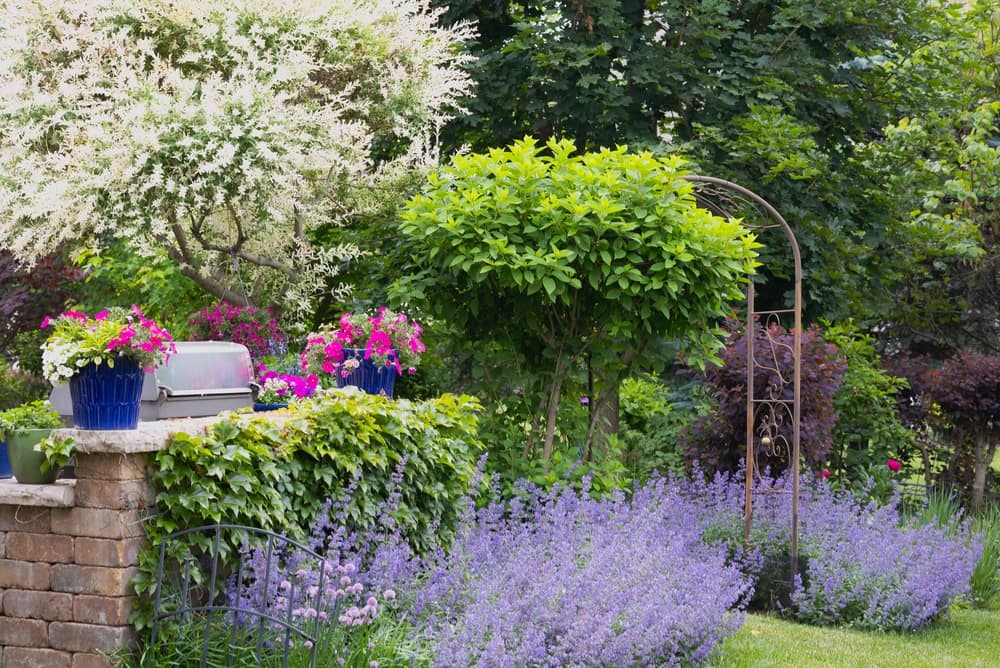
Catmint forms soft mounds of foliage topped with purple-blue flowers. It works especially well at the front of borders, beside paths, or around taller perennials.

After its first bloom cycle, trimming the plant can encourage another round of flowers. Once established, it is generally an easygoing choice for sunny areas with good drainage.

4. Black-eyed Susan

Black-eyed Susans bring strong color later in the summer, when some earlier perennials are starting to slow down. Their golden petals and dark centers work well with:

  • Ornamental grasses
  • Purple-flowering perennials
  • Taller border plants
  • Other late-season bloomers

They are especially useful when you want to extend color deeper into the growing season.

5. Perennial salvia

Perennial salvia produces upright flower spikes that add height and structure without making a planting feel heavy. Purple and blue varieties are especially common. Removing faded flower spikes can encourage additional blooming on many types.

Where salvia adds the most interest

Its vertical form creates contrast beside rounded flowers, low-growing foliage, and broader leaves. That makes it useful for adding shape as well as color.

How can you keep perennial flowers blooming longer

6. Yarrow

Yarrow produces broad clusters of small flowers on sturdy stems. Its flat bloom shape brings variety to beds filled with daisies, spikes, and rounded flower heads.

Available colors may include:

  • Yellow
  • White
  • Pink
  • Red
  • Soft pastel shades

Yarrow generally performs best with plenty of sun and soil that drains well.

7. Garden phlox

Garden phlox adds larger flower clusters and works well through the middle or back of a perennial bed. Its taller habit makes it a good companion for lower-growing plants. Different cultivars offer shades of pink, purple, white, and red.

Give it room to breathe

Spacing matters with garden phlox. Good air circulation and a location suited to the variety can help the foliage and flowers stay attractive through the season.

8. Hardy geranium

Hardy geraniums are perennial plants that form spreading mounds topped with delicate flowers. They are different from the annual geraniums commonly used in summer containers.

Some varieties are known for especially long flowering periods. Their softer growth habit works well:

  • Along borders
  • Beneath taller perennials
  • Around shrubs
  • In spaces that need low, spreading coverage

How can you keep perennial flowers blooming longer?

Plant choice matters, but placement and routine care also affect how much flowering you get from a perennial.

1. Match the plant to the sunlight

A sun-loving perennial placed in too much shade may grow without producing its strongest display. Before choosing a plant, look at:

  • How many hours of direct sun the area receives
  • Whether nearby trees create afternoon shade
  • How the light changes from spring into summer

Matching the perennial to the site gives it a better foundation for healthy growth and flowering.

2. Remove spent flowers when it helps

Deadheading means removing blooms after they fade. For certain perennials, this can encourage another round of flowers.

Know whether the variety reblooms

Not every perennial responds the same way. Some benefit from regular deadheading, while others finish flowering naturally and move into seed production. Knowing the variety helps you decide whether trimming is worthwhile.

3. Leave enough growing space

A young perennial may look small in its nursery container, but its mature width can be much greater.

Crowded plants may compete for:

  • Light
  • Water
  • Nutrients
  • Air circulation

Spacing around mature size allows the bed to fill in gradually without putting unnecessary pressure on neighboring plants.

How can you keep your perennial garden colorful for longer?

Long-blooming varieties help, but the most dependable color often comes from combining plants with different flowering periods.

1. Build around overlapping bloom times

Choose plants that reach their peak at different points in the growing season. A balanced bed may include:

  • Spring bloomers
  • Early-summer flowers
  • Midsummer perennials
  • Late-summer and early-fall color

As one group fades, another can begin to take over.

2. Use foliage to support the flowers

Flowers are only part of the planting. Foliage, plant shape, texture, and seed heads continue contributing when fewer blooms are open.

Mix different forms

Combining upright plants, rounded mounds, spreading foliage, and broader leaves adds visual interest throughout the season. This also keeps a perennial bed from looking empty during gaps between major flowering periods.

3. Repeat a few reliable performers

Repeating the same perennial in several places can help carry color across a larger bed. A few well-chosen varieties can create a stronger visual rhythm than filling every open space with a different flower.

What should you consider before choosing long-blooming perennials

What should you consider before choosing long-blooming perennials?

The longest bloom period does not automatically make a plant the best choice for every garden. The site still needs to support it.

1. Check the mature size

Look beyond the size of the plant at the nursery. Consider how tall and wide it is expected to become once established. This helps you place shorter flowers toward the front and larger plants where they will not overwhelm neighboring varieties.

2. Think about the entire growing season

A plant may be spectacular while blooming and fairly plain afterward. Others have foliage or seed heads that remain attractive well beyond flowering. Looking at the full-season appearance can help you create a bed that stays interesting for longer.

3. Choose plants that work together

Think about bloom timing, height, color, foliage, and growth habit as a group. A strong perennial combination often includes:

  • Different bloom periods
  • A mix of heights
  • Contrasting flower shapes
  • Varied foliage textures
  • Colors that repeat across the bed

Where can I find a good plant nursery in Sullivan, IL & the vicinity?

The Village Garden is a full plant nursery and garden center serving Sullivan and Central Illinois, with a wide selection of living plants, gardening essentials, and seasonal inspiration for outdoor spaces. 

Our nursery carries perennials suited to different colors, heights, bloom times, and growing conditions, giving gardeners plenty of options for building a bed that stays interesting through more of the season. While you’re here for the nursery, you can also browse fall décor for your home as the shop shifts into the new season. 

Whether you are starting a new planting area, refreshing an established garden, or adding color to a yard near Wyman Park, you can browse the nursery and get practical guidance based on your sunlight, available space, and planting goals. Visit us today!