Key Takeaways
- Spring and early fall are usually the strongest planting windows in Central Illinois.
- October can still work when the soil remains workable and temperatures cool gradually.
- A first frost does not automatically end the season, but sustained cold and freezing ground can shorten the window.
- Different trees establish at different rates, so seasonal timing should be considered alongside the specific tree.
- Short-term weather matters too, especially saturated soil, dry stretches, hard freezes, and sudden temperature changes.
October can make the timing feel less obvious than it did a few weeks earlier. The days are cooler, leaves are dropping, and homeowners may wonder whether they have missed the window or still have time to add something new before winter. In Central Illinois, that answer depends less on the date itself and more on the weather, soil, and the kind of tree being considered.
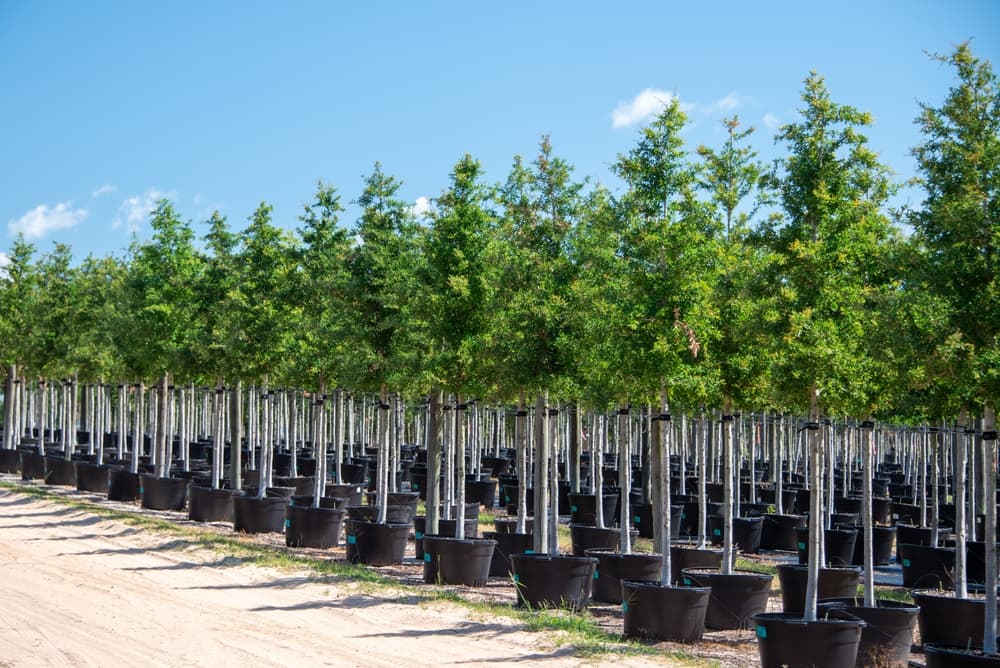
The best plant nurseries in Decatur give shoppers a clearer sense of which trees are ready for fall and which may benefit from waiting. Seeing the available options in person also makes it easier to consider their condition, eventual size, and fit for the space before bringing one home.
When is the best time to plant a tree?
Spring and early fall are usually the strongest windows in Central Illinois because temperatures are moderate and the soil can still support root growth. The better choice depends on the time of year, current soil conditions, and how quickly the tree typically establishes.
Why fall can work well
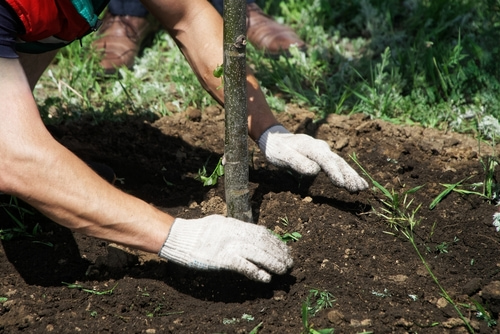
Cooler air temperatures reduce some of the stress that comes with summer heat, while the soil may stay warm enough for roots to keep developing. Root growth can continue during autumn while soil temperatures remain favorable, giving a new addition some time to settle before winter.
Is October a good month to plant a tree in Central Illinois?
October can still offer favorable conditions in Central Illinois, especially when the soil remains workable and temperatures cool gradually. The air may feel noticeably colder, but the ground often holds warmth longer, which can give roots more time to develop before winter.
The exact window changes from year to year, so October should not be treated as an automatic cutoff. Soil moisture, rainfall, and the timing of sustained freezes all affect whether conditions are still suitable.
Why spring is another strong option
Spring brings moderate temperatures and more time before winter returns. It can also be a better fit for trees that are slower to establish or for homeowners who missed the fall window.
The main tradeoff is that summer follows soon after, so moisture and heat can become more important during the first growing season.
Why summer is less forgiving
Hot weather can increase moisture stress while roots are still adjusting to a new location. That does not make summer impossible, but it usually gives a new tree less margin for error than spring or fall.
For most homeowners, waiting for milder weather can make the transition easier.
How late in the fall can you plant a tree?
There is no single cutoff date that works every year. In Central Illinois, soil conditions and the arrival of freezing weather matter more than a specific date on the calendar.
Before moving ahead late in the season, consider:
- Whether the ground is still workable: Frozen or nearly frozen soil leaves much less time for root activity.
- How quickly temperatures are dropping: A gradual cooldown gives roots more time than an abrupt stretch of hard freezes.
- Whether the soil has enough moisture: A dry autumn can create stress even when daytime temperatures feel comfortable.
- How much of the season is left: The later the date, the shorter the establishment window before winter settles in.
A first frost does not necessarily close the window. Roots may continue growing while the soil remains unfrozen and warm enough to support activity, although colder weather gradually slows that growth. What matters more is whether colder weather is becoming consistent and whether the ground is beginning to freeze. That is why late-fall timing can vary from one year to the next, even in the same area. A mild stretch may leave more room to move forward, while an early run of sustained cold can shorten the season quickly.
Does the type of tree affect the best planting season?
Yes. Different trees establish at different rates, so the season that works well for one may not be the best choice for another. That is why timing should be considered alongside the particular tree rather than treated as a rule that applies across the board.
Some trees need more time before winter
Trees that establish more slowly may benefit from going into the ground in spring, when they have a longer stretch of mild and warm weather ahead. Putting one in too late in fall can leave less time for new roots to develop before colder soil temperatures slow growth.
Others handle fall timing well
Some trees adapt readily during cooler weather and can take advantage of soil that remains warmer than the air above it. When conditions are favorable, fall gives those roots time to begin establishing without the added stress of midsummer heat.
Ask about timing before you buy
If you are shopping later in the season, ask how the tree typically responds to fall conditions and whether there is any reason to wait. Staff can also explain what to expect during the first few weeks after it goes into the ground. Before making a final choice, look closely at the tree’s condition and how well it fits your yard, since good timing cannot make up for a poor match.
What weather conditions matter most when planting a tree?
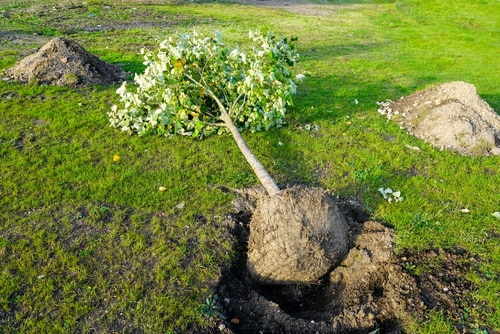
The season gives you the general window, but the weather around the actual day still matters. A mild afternoon is not much help if a hard freeze, heavy rain, or a sharp temperature drop is arriving right behind it, so it makes sense to look beyond the conditions you see at that moment.
Look beyond one good day
Check what the next several days are expected to bring, especially when temperatures are changing quickly late in the season. One unusually warm afternoon does not necessarily mean the conditions will stay favorable long enough for a newly planted tree to settle in.
Avoid saturated ground
Recent rain is not necessarily a problem, but waterlogged soil can be. If the ground is holding standing water or remains saturated, give the area time to drain before moving ahead.
Pay attention after a dry stretch
Fall weather can still turn dry, even when temperatures feel comfortable. If there has been little rain, check the soil rather than assuming cooler weather has kept it moist. Dry ground can add stress at a time when the root system is still adjusting to its new surroundings.
Keep an eye on what comes next
Conditions in the first several days can change how closely you need to monitor moisture and the soil around the root zone. A dry spell may call for more attention, while heavy rain or a sudden cold snap can change the conditions around the tree soon after it goes into the ground.
Where can I find one of the best plant nurseries in Decatur?
The Village Garden gives homeowners a wide range of seasonal options to compare in one place, from shade and ornamental trees to choices suited for privacy, flowering interest, and changing color throughout the year. The selection is maintained with long-term health in mind, and customers can also find soils, amendments, containers, and other garden essentials needed as the season changes.
Whether you’re near Scovill Zoo or elsewhere around Decatur, stop in to see what is available now and talk through which options make sense for fall versus waiting until spring.